


Planning Your Overseas Carp Fishing Trip
For many of us, the highlight of the year is that long-awaited trip abroad.
Some of you will already have your foreign sessions booked for the coming months, while others may still be deciding where to go. In some cases, the most popular venues are booked years in advance, making the countdown even longer.
One question we're regularly asked at Nutrabaits HQ is, "What tactics should I use?"
Having fished overseas for more than 35 years, one piece of advice stands out above all else...
Don't overthink your approach before you arrive.
There's nothing wrong with making plans, but leave the finer details until you've actually seen the lake.
Just like in the UK, carp on heavily pressured European waters constantly adapt their behaviour depending on angling pressure, weather conditions and the amount of bait entering the lake.
One of the biggest mistakes I still see anglers make is arriving with the intention of introducing huge amounts of bait and simply waiting for the action to begin.
On many of Europe's famous big carp waters, that approach is no longer as effective as it once was.
Many of these venues are fished for nine, ten or even twelve months of the year. The carp see enormous quantities of bait, day in and day out, and angling pressure has become one of the biggest factors influencing their behaviour.
Before making any decisions, spend some time gathering information.
Talk to the bailiff.
Ask what has happened during the previous couple of weeks, particularly in the swims you're considering fishing.
How successful have recent anglers been?
How many fish have been caught?
Perhaps most importantly...
How much bait has already gone into the swim?
The last thing you want to do is arrive and introduce another large bed of bait onto an area that has already seen kilos upon kilos over the previous week.
Understanding what's happened before your arrival can often be the difference between adapting quickly and spending valuable fishing time working out why your original plan isn't producing results.
The best anglers don't simply stick to Plan A.
They arrive with an open mind, assess the situation in front of them and let the lake dictate the tactics—not the other way around.
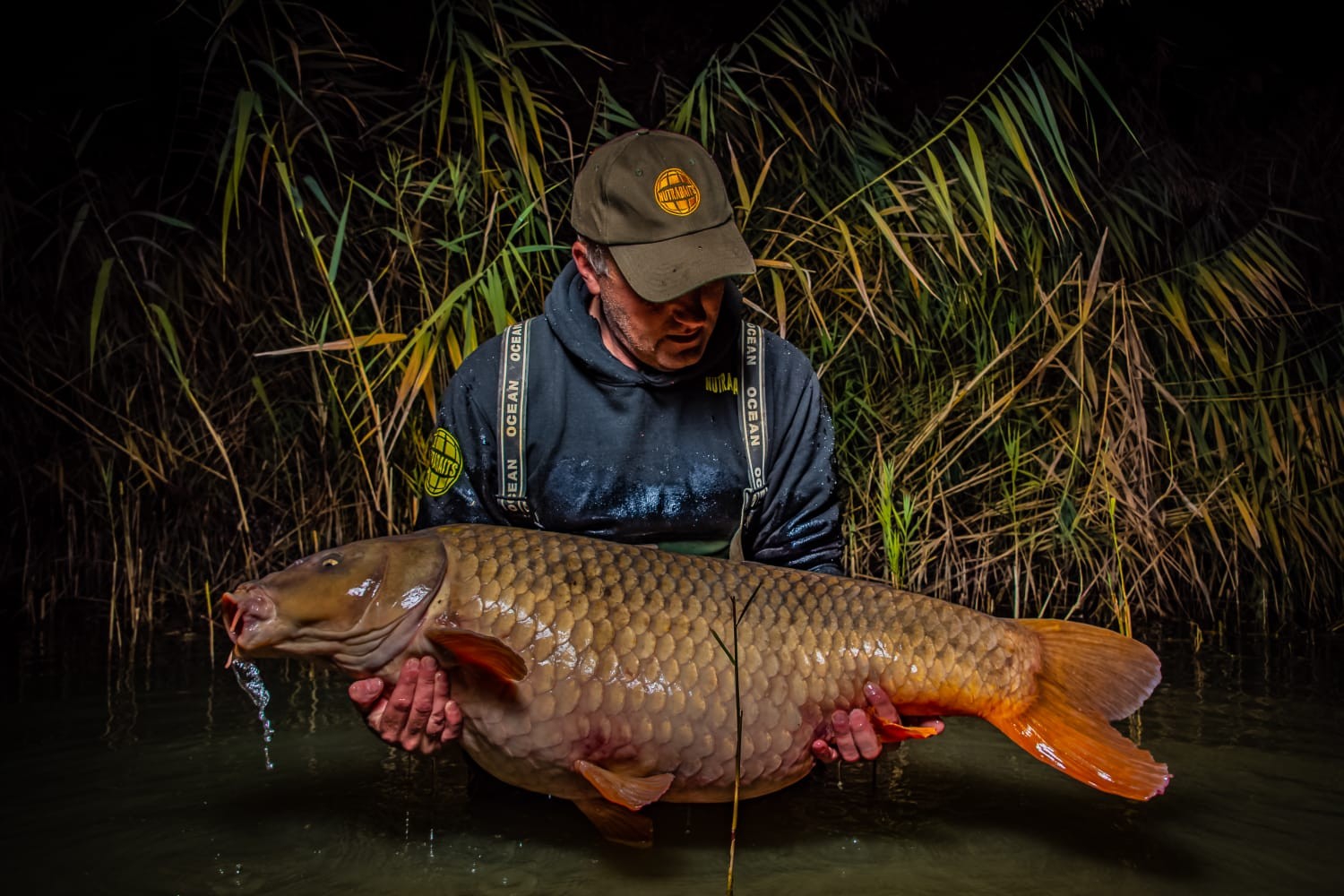
A perfect example of this happened on a social trip to France with a group of friends on a lake we'd all fished before.
There was one swim I'd had my eye on ever since my previous visit. It sat in the middle of the lake, controlling a natural route into a large bay and, on paper, looked the perfect place to intercept travelling carp.
Unfortunately, luck wasn't on my side.
My name came out too late in the draw, and one of my friends secured the swim instead.
When it was my turn, I chose a swim that hadn't been fished the previous week because the anglers due to occupy it had never turned up. It offered access to a couple of large lily pad beds along with plenty of open water—certainly not my first choice, but one I felt had potential.
We arrived late the evening before, so the following morning we took a walk around the lake while the previous week's anglers were packing up. As we made our way around, we stopped to chat with everyone, helping carry the odd bit of tackle back to their vehicles while asking how their week had gone.
When we reached the swim I'd originally wanted, my friend asked the departing angler how he'd fared.
His reply was interesting.
He'd caught two carp during the first night, then decided to introduce 100kg of bait onto the one productive area he'd been fishing.
From that moment on, he never had another sign of a carp.
Hearing that, I was suddenly very pleased the draw hadn't gone my way.
Seeing the empty bait bags piled beside the swim only reinforced my thoughts.
When I eventually reached my own swim, the picture couldn't have been more different.
Although it hadn't seen an angler for over a week, carp were already showing around the lily pads. Fish were moving, fizzing and clearly using the area as somewhere to escape the constant angling pressure elsewhere on the lake.
By the time we'd completed our lap of the venue, a clear pattern had emerged.
Almost every angler we'd spoken to had followed the same approach—introducing large quantities of bait early in the week before watching their action gradually disappear. Most hadn't caught another carp after their initial success.
That walk around the lake taught me far more than any catch report ever could.
On heavily pressured European waters, angling pressure is often a far bigger influence than bait itself.
Carp that see anglers week after week become incredibly aware of disturbance. Excessive baiting, repeated casting and constant activity can quickly push them away from productive areas and into the quieter corners of the lake.
In many ways, it's no different to fishing a busy syndicate water in the UK.
Sometimes the biggest edge isn't introducing more bait.
It's finding the areas where everyone else isn't fishing.
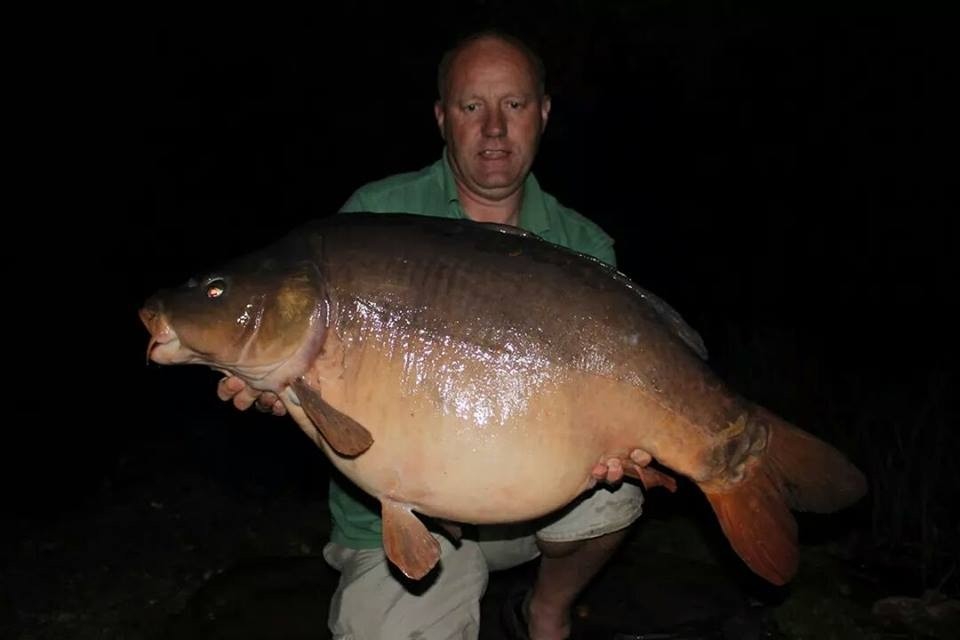 By the time we arrived back at the vans, my mind was made up.
There would be no rushing around setting up.
After the long drive, I decided to have a shower, freshen up and give myself time to think before putting a single rod together.
The walk around the lake had told me everything I needed to know.
The carp were clearly associating heavy baiting with danger.
So instead of following the approach that had already failed for so many anglers, I went back to the tactics that have served me well for years on pressured UK waters.
I adopted an ambush approach.
Each rod was fished over a light scattering of around 30 to 50 boilies. After every capture, the spot was topped up with a similar amount. If I didn't receive any action, I'd introduce another small helping once or twice during the day.
Nothing more.
I also knew the lake held some huge bream, well into double figures, so I wanted enough bait to keep a feeding area active without committing kilos of bait that might simply be eaten by nuisance fish if the carp weren't present.
Just as importantly, fishing this way gave me complete flexibility.
If carp began showing elsewhere within my area, I could move immediately without worrying about abandoning large quantities of bait already in the water.
The carp dictated where I fished—not the bait I'd already introduced.
As the week unfolded, the approach proved to be exactly the right one.
While many anglers struggled, I enjoyed steady action throughout the trip, averaging three or four carp a day.
The contrast with the previous week couldn't have been greater.
The anglers before us had clubbed together and bought a huge quantity of low-cost bait, hoping to create an unforgettable week's fishing. Between just eight anglers, they introduced almost 1,000kg of bait.
Instead, they experienced what was reportedly the poorest week's fishing of the season.
Unfortunately, several of my friends drew those same swims the following week and also found the fishing incredibly difficult.
The lesson couldn't have been clearer.
On heavily pressured waters, success isn't measured by how much bait you introduce.
It's about understanding how the carp are reacting to the pressure around them.
Sometimes, less really is more.
 Another experience that reinforced my thinking came on a more recent trip.
A friend had just bought one of the latest all-singing, all-dancing bait boats complete with a winch camera. Like most anglers, I was intrigued to see just how good it was, so I was more than happy to help on its maiden voyage.
The swim he'd chosen happened to be one of the most popular on the lake. Not because it was necessarily the most productive, but because it was the closest to the car park. No long barrow push, no hard work—simply unload and start fishing.
Over the next 30 minutes, the camera confirmed exactly what I'd suspected for quite some time.
The technology itself was incredible, but personally it's not something I'd want to use. It provides so much information that, for me, it almost creates too many questions rather than answers.
What really caught my attention wasn't the fish...
It was the bait.
Every well-known hotspot contained bait. Some of it looked fresh from the anglers who'd fished the previous week, while other areas held bait that had clearly been lying there for much longer.
It was a real eye-opener.
For years we've heard anglers say, "The carp will clear it all up."
From what I saw that day, that simply isn't always the case.
On many heavily pressured waters, there's often far more bait lying on the lake bed than most anglers realise.
That experience completely reinforced how my own approach to European fishing has evolved over the last 30 years.
Back then, introducing large quantities of a quality bait was often a huge advantage.
Today, on many of the better-known venues, the carp see bait every single week of the year. In some lakes there's already plenty lying on the bottom before you've even cast a rod.
For that reason, my approach has become far more measured.
I now prefer to start with a light baiting approach and only increase the amount once the carp are clearly feeding with confidence.
Another piece of advice I'd offer is not to become too fixated on the bailiff's "known hotspots."
Of course, bailiffs want their customers to catch, and they'll naturally point anglers towards areas that have produced in the past.
The problem is that those same spots often see anglers fishing them week after week, month after month. Eventually, the carp begin to associate those areas with disturbance and danger.
Instead, fish your first night with an open mind.
Introduce a light scattering of bait around each rig and, if you can, stay awake for as long as possible after dark. Listen carefully for showing fish and take note of where the lake comes alive.
That first night is often your greatest opportunity to learn.
Fishing lightly also allows both carp and nuisance species to clear away any bait left by previous anglers while giving you the freedom to adapt your approach as the week unfolds.
Sometimes the best tactic isn't arriving with a fixed plan.
It's letting the carp show you what they want.
Tight lines,
Rich Hughes


